

' d='M19.579 11.47h6.551V18h-6.551z'/%3e%3cdefs%3e%3cpattern id='a' patternContentUnits='objectBoundingBox' width='1' height='1'%3e%3cuse xlink:href='%23b' transform='scale(.00794)'/%3e%3c/pattern%3e%3cimage id='b' width='126' height='126' xlink:href='data:image/png%3bbase64%2ciVBORw0KGgoAAAANSUhEUgAAAH4AAAB%2bCAYAAADiI6WIAAAABHNCSVQICAgIfAhkiAAAIABJREFUeJztnUuvJclRx/%2bRdW73TM%2bAMMIz0G3MY9FjJDYs%2bAawQEggr0AgQCABAmOQLRsLS/OABUIIiTXfAL4AOyQEQkI8zcM8FsD4ARIaHkN7euY%2bzqlgkRGRkZGZderce%2b7te22n1H3rVFU%2bqn75j4jMylOHmJnx1fQVlzbPugHHTK89fggCQCCAgASAwjkp7InHvQpmMEAAc97/%2bj//%2b9Hb/KwS3WXFv/b4IRIIJJAB2Oe8XcCSbJHf17lypnZ7BkPv0ozcCWYwXv2nu9sR7hT4V195iMQZ4mRwKQOmomb7rFdGAHFGT9QHbsmDR73NDDBxhs/ATLkDzAzs7lhHuBPgX3/8sII9CWxVNwGYgApwApAcRO0gPtHwQwZNblvTjAweDOyQLcBMjHnOHWHLjE//0xcvf7FHSN/6zR/Ye86tBf/qKw8xcVGzh50IZt4TkxzPKcP1%2bSB7yB0vKQXg%2bdySmIDZ3aE5783AWc1%2b7hA7zp1gx8COGNsZz6wT7IN/68Cr356oqDQBmIhADKSUYauie6DJqVv3k6GX/VQD9r4fqFWunxVy/pz9/k4%2bzyQmn4Et5R6xBbAFY8uMT/3jzXaAOwP%2btccPMVEGFtVtMGW7NfNFzROARM7X6z/x7dlalEAPKLEABfXrjakCPlZ/z9nHm6%2bXfdB9jK34/h0DF8ifP/mPXzjaPVtKtx68mvTJm3MiTJw/EwEbF8hNiKa/BHa5g5TjBl3%2bqVm3z3ARvh2r6bPgn%2bud2FFrBXZcYoAtckfYIvv9HVT9uRN84h%2buvwMswX9m4DVC3xAZNA88JVV3MeMbgbJBDVsBTlQHdsQlFtDxvVkJUal2hola895LGtjlvwwwYabcPWbZr0HfTkBbJxA3cMGMcwDnzPjkNXaAWwf%2b9ccPi5pBmASgV7j598oSlG1Vt7oH9dmJYVbDAkCReAIwifNP8lc7iqZo7ssBoLpT3r9DAj0GZpYIH2oB8nkXyKq/4GwBLohxMecO8Euf/fwV7uZyGsG/UfDRrE/I4FTZI%2bCTU7fmUdUmhpn/JJ0ABLMYRPm8SYM5Kh0hu4V8%2bcXUI2zUiRDG9%2byie85mZMfAVvzAloF5LtDV5J9z/nuG3AFOwfjYZ4%2bv/mcOXlVuoNWsU%2b4IG/hgrg9849SdWI8L8JQ/QyyGqn2SbUpsZt7%2b6k2IkKmc43YBkEBP7phO6iBb/Gz5dYZPOsRuJuxmifB3wDxnF3BBwAUzTsUCnMm/j1yD%2bnvwbwT8G48fNSrfcO3HJzH7EfgJuSEdStROotwNAZQcbPm7IQDEmFId2eerdsM5%2b8vVMZRTh6ma2NFIj8k6hFqCnczz7mbCVizC2TYDP3cd4JwZpzPjZz/7uSvc7TbdOHhv2itfToQTZ9Y3qnLfOVAUXkw8kFI%2bL1H215ODbSY9sQWEQDlO0hkq8HojUoalpl/9/sjn%2b5smw3YAYu71OLsOwFn5agnOd4TtDriYgYuZcYbSAd7jGe8x4yN/fxz13yh4HZdvvMpR%2b3Kv8o24gA2c3ydgoyadyGBvUgGdEpBE2QZbwCYB7X06xE0w5Xxq1jVVM3kU/vrEPh5gUzoEbKIy48dz7hA8qwWQTjAD2xm4mAnnO%2bB8B5wim/z3mPEuM37m746j/gj/WsB7f24gRc0nKPAnlBm6ExTgkwBPRAZUgU9i2jN0tg6SZMxmsMXEQyAoaO0Y3uyXwK6Y%2b6W0FAD6XV71PJO5A54pjwgY2O2y%2bd/OwPmWcLoDznaMUwKezoz35hk/dQT41w5eoW80aCPCxMW0R5VvUMz6RJCAL0PfiO%2beHPCNmPLKp6dsotWkg/O%2bqGiSc2M6BvAV2QGU4I93udZ5B2zFDWy3%2be/pFnh3SzifGU%2bJ8e7M%2bLG/eXNF6cvJwz8q%2bNcfPxSAYuIJ2HBr2tUKbFBMvKpc/fiGgGkSv90DnkTdicsYHqJsieCBMnTrq/PmgANtvKCjAN5RfrAzA/NMuNgSLnbA2ZbwdMt4l4EnPONHP/Pmypr66VrAL0HfSOB2opYAKNBF5bqd1KQ7tacBcB2%2bEcSM66RMMOUx3TRwbdNSYucStrscB5xvCedb4J1zwjvM%2bNKO8UOf%2bbcDaq3T0cFH6N6Pb5w/P6E6Yt%2boyiVSPxHom6R%2bOwNPyfnxCNyru5qCa9t5G4GX88rkwMyUx/s7wvkuW4CnZ8A7F8CXmPHhv746/CuD3wf9hPqmPW87X%2b5UnoM4CdDE5JP7/GUJvFPBPOcOsN1m9Z9eEJ6cAm8z4wf/8nLwjwL%2bNYG%2bWQndK/5EIvaTlMGdUInck0BOYuY1Qqfov79MgfvPRMAsQd/5BeH8IuH/3gP%2bdwa%2b/y/%2b9YCWlfSt3/yBZkHK6vTqK2Wcrj5doZ8MoOcOAdwTs36SgM0E3EvAyQScJMaUGGnK%2b9NUZt6mxJgmLn7eZljQ3DgCZ%2biDoK6cV8b2o6HZIYHbGuhEPIbuKvTlpQ3j/r0ZD%2b7PeOH5Ge97kfHSCfD73/3tK1vXpksvr54ccA3k7hn8Av0ExZ%2bfIPtzNesnovQ0OV/uVS6PVadUZtuWJlXujMJjJUHhPiW5JiYgnTDubWZME2EzEU5OL63by5n6N155ZOY6m/i%2beW%2bgO39%2bL7mIPZUpWJq4LKpMLGP0uxell/M6t7dzLb3yPHTZYXnmLeH8POHpe4Tv/MPD/f3B4H0wd09UfzKCnsTMo0C/7wK5SSCT%2bnZ9guZV7k16bPxXEvBePgYuThOeniZ86A8Og38Q%2bFdfeWhjcVW5wvdDtg3BOoFCvzdls75JOUrfTGxTsSllc68R%2bzTJg5IB9FsNvJrEDxXtAQ4E6D3g4TMA7C4IX3pnOgj%2bQT7%2bBCWY2yD7dXt4opMzI%2bh%2byCZKj1H7JJMwo9m2rwLv553uz/jazWEee7Xi33j8qETmovgTZOD3Unl2foJs9u%2bRQJeIfQTdnqq5iP3OAY%2bF94AvNCCBa%2bDu3KV88rWiqqqXf2/dMu5V4F97/DBDdcO3E%2b0AVKZiNwzcT1T79D3Q/dg8TXW9X/HAR3k7wP15L//ufvirTH1e0Ej2oMWmXKHz8EXx9uxdlG4PWQbQLXJ3F38ngPsKRsAHjVDgHEdjtAL4wnnccY%2bjtHcg%2bPrjh7YcSp%2bpb6Dr2ciesZ/YY1jYvPtEeSJmkkCugT7V0G/1xIu2zVfgK6L60LBt1Fe5Bra%2bLEuJTeV2nivfOpEc%2b88ffbT3evYqfpKh2yTP1fVZuc3akVO/dI57k0zQTDLjhhzJG3QHn9J6hdspt0XhbrsqbgAcQCM16pRlKfHe8zi5XbpiuK2%2bSYuKf/2VR/a1Jb8EygI7gltIIU/iUp6Dz//YTH0PekrrFK4XQzeo8FxugB4rorCr15DEXejNpBTVeRT66DxO%2bV%2b%2bLwwQgwBbjPLWjy%2brflHx%2biWH/EUH9em6nk2na8u3X3QaNj9hK5MzaXJP2pKumukMfzppyeddh8JzuftV3hTXAy5LrSLwpTzVoU7d6sfLfeFymnche653qPjXX3lUvsRIeUyuJt4eq4LcUqni11XxSWbnyuNVWS0z7Ye%2b5CuvU%2bH7VE4ReketRAI9we7wosIlnx3y9QY/Xnx8UTkRQP67ZHLOf/3EWPVDxWs5GwngVOEJcJM2pQOUadgyFWsdANnsG/SF9MwVrhXFzhbLW1I4UAEf5pF81aFQt07blk4TOkgMEjtV9FJX8ap2r/iEsprGhnEQUy8m3vw68phc17dPOju3AP1WKByoHoQMy2s6BZfXq4jK9yocyJ0F7rpd3Uz5n5UjCgfEVaoyJW%2b0RJwYnBhv/eTD7rV3Fa/fM0uyxNleVEBlOKcBXSLGZqICXVVO2gF0yNaHvqTwhd3teVdRONCVwBrgsYy9CgcMuJ3TUXhiHaKVOlJUeKeNnDquqpO64Ak6ZoeN2VXhZurlnJOJGrPuI/jSY9s66o3B8T3pRoCHBi0CnwGEGcj6XAfd1R2BR4ApnL8a%2bOD%2bNJf9xoce5QidqXyJMaqddH0c2SPVjSyMzON1lAg%2bqH3JpC/s7qYrmfSeenplugYlcAOdJskzy3kj6ImzEIAq6FOTnmTRCU/FpEPuexoFiSgmvWqrjwsIeOunW3PfKF6/maL3RadqvdrzuJ6QJuA%2big9PTuX2bL0XvHTSdQRuXYWPrM%2bCWbcpVn9YAc%2bAfcGvl/aYdWXGU0fhQAEehoWNwt1fks5kYUdnbUADPgPXSL4EdjqOt6EbyULJqYzNk47dSaHfMuChwm7bAnCgfgfOauBwlm4AnLgFDtRm3YDLsYOBrzH1b3zoUVY3d4ZtrB0iq50m/cIDO/DFxGuAdyyTfvB8eqzIm0DdjL7QmXRTeYSuL7yZMLwAErMe69VqzI93VK7QLYjvqTy0W4d1FicQI/kJsgT89899U9XGSvH2BUQq4/jElL/ShBLJ28MYN6Ggpn3feP3GFe621yocGABXlS9Zr4HKdTNG6osqtzx9lRPZV/LzLrG27oIsC4c2V%2bBJgwk52771wkCSxRbElJdOebXrGF4b1Bm63Qrg/sMa4Lp9BeCVH%2b9A9768mgvAADiyCz0EOKO9p1bvGx96JC8OzP/8sipvAewrTmrW4QI5nZ71w47x/WrSUUy6267qjsdRTDqAyqxX7VD7O3JX7pHpXrMeo3UpnwjNFG8POslxP19Pk7sXOnkkeapZv8T4n49%2boxW58WUTlXhFtxU%2bAbaQgiATNwI7B3xcHr7079MwHU3h8rkprgPcp2ZaNJ/UL193eYWH84ZmHSgvXlCFrzDrVdCm1zcxSF%2blPYV6A/DedRh4e9UISm/Uz/5lgvpVp%2bRUbxE8uQtbkW4eOICOWe8C79TRBe62K%2bAAmlk33U1ogOd8NfQRcMyUoQ%2bAAygx1uAeF8UT5Tc/E1lAl6dsxcSTTNiQPHJVU99R%2b750VOCj8pzZHQHv%2bdVeHUcFHuvCHuCaT%2buakeGHplgn7gwPddPfp40/oua8NNhP3lAZs6fi39Qt6MTNUrp1wKPq1gKXzw1wAM3TM81KaIDnvKX8XpReOhdbGcRl/xqznvwx3QcAv/odj8KrQd08fSrRvb53RpU%2bSYFq8kfpaEHbUnl6Y9VdAUAM3DT4CYGU5fdVulUwUeU6hNVVMHl/Dt4IKG/ZkrbazXXJT7WStLsK2nyATAxMpUwPXYPqKsCUlAhIU30db3/8ZQCieJtnIYTp2TK212gxv8WKbTGFPnnrgb1phQMDlfvxcTmpqcc2R8Ddx6hyPVbBWVI4CtzKh3vgMpNm1ikCHw33rKzOcSl/YycqdCpnqgVIkOXSAlnfUDH5Fw75%2b/DMgANe5XqgC9zV1QAP7agfivj8YdmT/t0HXNreBc65HWYtesB9W9cCD/drk%2bvMvlwrshcDI39JQk27f8yqX2H2ZvfGgLu/S8CBZZUfA7ietyZwq4C7z1DA/jF2aIuNzwfDveG1BOC6vfEZ1bxr%2b5Mcy369TOaQvmiI5CasBJ7r7fjweM5BwAHoN1LcgSWV7wUePnvofoaMKP9IgZ9uLXkCcHSCNlN0dps6Y1q1x5cbVK7t7HaITuch99CmnrKV/f41oXk8737piVDeJinba9IalS8Cl%2b0hcGCvyqvie8oJ9a0BPh0CPLZJ2tEDrma919YKuD%2b%2bAnjt43W8HoDrjJ1O0Ch8m7BJHNk16S4CBwp04pKnAh7q6QL39UcoxCW721/5cd9evy%2bqfGDOK%2bChvWbqm4wkFkAmbSyQS2XI0lRYFXEE4FqPS9xZ9gSgDNFcOUPg/vg%2b4FSA2%2bzoZYC7IM2gB%2bC%2bjFVmfQQ8Xm/V3vy3mqvPrwOvV9wA8p4aqSRbBRd1hvRMgLvPDXBgaCpj4moEUGKXmdx6iwXoFXA9V4F7lR8KXMsdPR84ALgeduApnFveFq3AdfWtWoi6s10iUo8qRQu8MevSyIOBu3Y3NQSVe%2bCJZIZ0D3D21xaBS%2bEG/VjA/XUvmHUPXRd/bKpzpLHlJ79gY/nKbFHxH1cC7va1FmQBuIceb5Sd2w6jYmqAy%2bcZOWidIjwU6F3gvRs/AG7tWgCOxKC5UZj9PQQ4iPPCUDlWP5ZNVbnmy8uL/rn8dlvqQD8ScABN8HZM4IAz6x3guh6up/LEwJycy65UHa5Nx/s6Q%2bdVnjibFMlXNXMS4LIdL5TEbVT7m9GF7uayTtAl93QOAKP/Wm%2b9AJIxPUJD1wBX8xGylPM6wF27LIVHkVVSNTIwWgSpwG0uAocBnz28ka8dAAeQp7od1C7wmQrwqlwcBjwed5VJVE/VseI2y6QNSHy8mvlQkOW/JHCgYwZ9uiJwzWwuisqKKv2NulyWa35iE%2bacrIgqrvB/ibiYfqqvyYAL1J5waATcXeMIeG7vHuARvKbeXIyO2ydVnoBsvljQA%2b5uADXnDoDHk9cC98OQ5iLcuVS%2b%2b1D9Lk0HOGMPcNkmiUf8dGsTvC0B12uJHUn/80IbAAeACdwe95bJucENAHA1yJRzCLIQ3%2b1Pxd8jXlgu6HjAxY9fBThRHYEzlXs3mltX1c7k6h%2bopwfc6tHONlM1UqjKANr3BBBWAwcy9MmvufN1VPezPqdSfKuEMlVbfSMEaIH7CwrAInAgTGP6jRXArcx4ce4YJ7YamdzohKQlHeA6SVPf/NA%2baOcg%2bZ2bcqyZdQPGK2JGwMN1Lqk8LxbFauBeXKJ4ORZvouvJxkVm8OAzDoADrUtYBI7QoWLj/fE1wFE6MWndKd5vtii9C9zVVQNvh1Ee3EjhJqCqI7XXuQo43Dk9EfiFHqHOTWyXr5jCZ32/bBnADs5FCxwoprZqxKHAOw22MbWc3wPOS8C1/NipInBks13Nvnk4Ehg0nZNR/HsP%2bEqzrtPl5OvtCWEBeFfxM9rhFAi1wmUyoOvj7XOr8qpDuotr5thj468CHABP8bpXAJdt4txhesDVrDOLOedOWR64y1tZlZXALd8ScKCal%2bieF8HPIuEKmQPuZ5%2bAdcC1jEXgI/O0BricvxY4gyxKz9OXnToEOIjBRGa2qzhXp2RTef1JpS69DUHljRvpPC6N12mLPhbUqxe0BngFXtfla2K/4SN1qb9eCNjkGjfQZsvCcWk40LEAwTSuAV5fpwfOBpxj%2bQpXVA4S0%2brjmCQKh6iQ0Z3wiiq/LHBg2VxD7sMi8Fi3r/bTn/1idTJ1MljjxVeWIYyhaCshl0dvbLzQxKYc8uYuWhcqtbCo0I/DmZBXolrWfPacyricyKk8XJuZ9SkvJLVJHUL99Sqb3kN7wwlV8Gb3yHd0jZM6w1A7X2YV2w7jtgHQhuuOQZ3zg8he/PR/AXDDuRn5R%2b9VHV71jdldMOvV3yU/HhXe6dHV820IwKhw7z5QAzeFpzLJUZVv5aIyqR64tkPH7EAHuFyPAS%2bNaa7X3xcrwlkCTkDqvV0jAG/2NxY01BE%2bG3jVrY5lvSlk799iR%2bhV7oHHRnjg8dgIOKF6RmDAJb9ZRo2%2b0xWAy35bTIryNowRcP3YDRRXArcygDHwxGh8/T7goLoNkpziGTMoB3ky48FKnGRyp%2bMrqp69BBwowVDvGKELHFRUHoFLkdBAjBOQxAk3b3L2bsEDl7LU1JfVw/XrT7q%2bNpj16vjC49Lagjq3MRDUKuDRDRhwDZbrDLWph0b4WeVs8GPZ3FS0z6w3j1VdoQcBl/yHANc/9vxde58C9yZdjq02640bPBC4ntNrs59mJXfQz5F0xOhVHoE3zfrU339RVA/swJiJpTN0llq4yliClCY4s4ttX/5n7U81dHsDVCq/RMXuRiDlPElgzUnKJ2fSvSKo3Fi2c9naQe78PDlSXn9SvUO/smru/T6%2bLg36emKoLAKbtaGE9pUqhPIqleo4lY5lddZ5CSTfoe9AT8CDT71lH5u5emU0y81llmGL%2bfmiCJ2X7rmA3rvg7MLcuV7NyT9Q0YuTvHrNTMA8sd3nLnD5YxDBTVl6DcmZfAVeX4jmKz%2bW1KhzAXg5LwduNI/NevWVqMkfcOayY%2boXzfpgUqgCv6Ps63cgWysAENj5uxmUfzQomjk9eyVwwC9qWHp6tQe4nn8gcAD2GjBTeHUhmi%2bXkfw%2bqzPA6AFHOS/pfx2FW/LAXd54nfljDTzXrReHxVQd/sTffgFbuAgfwI4YM2cLkCP68iiyujaEl/%2bpWVfLEFQ%2bUy7L/1ZsDBRthcyUy24idSr/VIlm0hW6M%2bvmSoiR5DowYTgeh4znK%2bjRrPv2xvsiZp31WiK4iQt0/UqyXZCa2fo688fapAMZ%2bAg6E/Dgk29V%2b5r33M0MzMTYEbAlYMeEmcuN0%2bsp9ymYOa3Y1OwaAHUR3FeQblYBUYkReio3oHDWRoGjPp5QAsBG4ZavlNG0Ma6CkWsdKTw/SWvdQ/WotntC36wvKlzLcql57uJSA35LjAsQdgzsAGfiXX0JJeSLvs2ZXH9sdsDtmXg4R9/mlC/I%2bftLANePeWR6JOB%2b/wg4k1v3FsrxZj1G6pq/l6cDHKC6fnfdHPK3F9zxBB//my/k6J6zz98CmGWsx8jDPNKZJe/bJhgQH%2bzNpDNubIsWInRyLUnEfegC1aZvzaI4U%2blUDu1oYmq7gRuQ17ipHx%2bZdX8DE8r7a%2b06isJZf3gplGNm3bnA2n4H10FivoNJz8AddDdS8lPLJgICXvh4beaBwdurL8A4J8ZzQnLLwJxDfBD0sQcWFc6cb6rMlcjjTdco%2baP7c4cZqFx9NAbAq9si7sGVMQTuMjXAY1AlQSYicGmQflGhAa5Aq9FHMOsrFZ6vWz4eqPCYurHf1/zSr4EZ2IKxFfXnuXzXFA3cwrXkiR950CE3KgZj2ml0cYRXeRW8uQDPXhPC7mY66L4cX0Z3eObWqlcqt39O5foKkgqe66ATmy/35VSvNbV8gUpYfjVSuJr1CH2k8JKTWndklzD4pcnf%2ba4P4sUp4WuJ8CIRvuYEePE5xvP3Z9x7bsbmXu2PbHZXZulGU6b%2b57J8YBj9eIwD8oxguJFWDkw53Rk3uzEDldvNa4dV3RsXgjffkN5XkptCwtw5ETX7rJDkmuVFEE6LwDXTg4%2b1Zh5Y%2bE2ac2ZcMOOCCLsE7Li8vxc7As/5GxoGfBLg6EBEberTCuCsnxn5P2cF4DcDcADt8KwH3JfVA851Xf68JnhT4Fafnr8HOEisT2vSDbiDvh54V8t1U0YHPvqZL%2bAcnP09cwY/A/NMZXpVKvYTIbXpgpn0XBmXCDuMx6tn7upCJE6wm%2blueKISlHmVN9OsPeiurMasczDrek5QuZaTXw/jXE8PurbVmpHf/l3FGdpgnQ/wwKdg0gN0M%2blhHmWkdmDP785dcA7stgAuAGx3hC0z7mnZ/glWAO4V7s161xpQfS4UuFyAT/mGu46m%2bargCWPgtq9WuQllcE5UeX%2b2DS3wRpGhbU7hsVndpWFuu6vweB8Gaah4APjIX30eZ2BcMHAGxjlnk89SlyncGgJgqv24/pwHy34dCjbDMs0vM2axdQnIc/kBuqncK8ENwXSlTheozNqZWfdWIASbNgrrzrZpPqrzV4qkMnT0VywF%2b4k6ntBdKWTXNFC4h/7gF8dqB1b8tuwpM54HYwvCdgZ2O8J2R5hmMhNP2ljX1vy3qJxmuRi5oGZ9vY9wo8rdTdz3uNR2uc5VdtYdov%2bYuK/y5osRVR4H3LXHFF61rVa4zzZUuLZ5SeG9PAtpUfEA8PN/%2bXmcM%2bOMgTMA5ztgNxN4Vh%2bMaoGjmnVVuR2Yilk3Hw5A19z1oPtfWqjXvblyw40lQnnTZoROqB%2bnrlD5RKhfCBzfUqkO2XcqVbiadR3Xdsy6WptFhdN%2bhfs8%2b9TumrCcfuLPP4dTZpwx42xL2An8rZCogIPrnqvAgXp9vQeuCgrQeyrv%2bvL4jLwKgNzxHnA9R1IDPLbR8oiZrqzICuDel/vALQLHCuAIeVaYeE17Tb2mDJ5wBsbpTLg/E2gH0InWmYGT%2b80Ws6bO4o0edNjmWrMuZSloisdV4X7fYHgGFLOu7%2betyuopHLXCY7uqHdGsS0zSzHVYFXtMum9b3F6ZVikeAH7yzz6H95hxCuBsC2y3eWhnj2MVkihLm22LF1xgVt1Q9aPOrAPugcrAl9MUoAezXy2a6Ck8QPcvZR5ZoUrhCAq3a/QNrfPb8JZga/d9ssetSwr3xVO9/eCj69QemrU//fCfvonTGTidgbMtYd4BPBPsV47JvSakMq0OeLyh1FH5wjPyCrjW4YG79XDdlyQE4DQ54P5XriPwCiCBqi/X6zVSN4/NDWAP8Lgitwe8cWVteWvSalOv6enMeJ4JpxeEF3aEkx2w2bgXCDQ3wzUwwKxm8FThqM%2bxzfAumMqEU1jMkVCmGeNEDcSPk2tOfD5ulVKVLz88QZ2iH3dl7DPr5iKiwnsp5g9lPfiF9WpfqmaYfuRP38TTmfF0Bs7OE7bbJM/aB9BVeQPoXYVrPmTgHjrBqZy4fmV6/DFAK6tE6%2bQeH2PiPvQYuEH8bgPdNVQ/ewEMzLpF/e5bOV2Fa/E%2bf6cDHQrdmn5o%2bvCfvIl3GHhyRrjYUn5wbyU6X94Dvu8ZuZrxFIBXvjzHFRVwgnupjZaVb2wEPqUO8ITSe4PKW7OOQSeoBdA167ZCdQ9wPbbHpF8Gumvu4en7/ujf8M4MnJ0lbM%2blRcMZLZjKPfAedAPuLtiAJwdc/%2bmPAY6AJ7TAI0QP3CalBPiCr/f7OADncF4Z20sd%2b4APxujHSgf7eJ%2bezIwHp4TnnkvYPJjFfIaTglnvLooQ4Lpt%2b/S4D9g0%2bZ/7DH5cx%2bJM8qve4bl3nYeqvH0/3mmz7POvWVnlx5ekNhq2DtJl1b6vGXvTD/zRm3h7B7zznqg%2bqDwRNypvkkL3N02hxyhd/%2bp2B7itzCXIL2F2FN5RefG7nXNjUt9NpYMN/bhCX1I44WCFXwU6gPFCjEPSH3/Pt%2bGDX7fDC1%2b/NTOtwIEVwP0%2boChc9lV/Y9DGZOvcZjlPf0yhq/JHi84eAAACyklEQVSewuPNXjDBtiYf4VGpbTpTtU/lobOvTVeFDhwJPAD82fd%2bGz748Bz3X9hV/m3kx3W72q/A3L5LAY9le%2bCSvwbUqSMknYZeBVzbuAQ8Xt/KdAzowBHBA8C/fPhb8L6XzwH/hX1fWe/XDy8BPA/jnIu3iHoQuLn8lwWOUJTmvSngwPGgA0cGDwD/8WMfwPPv29aV9N71psBzK8rxFP7q8X3AfdkRuH6M4PYEWv5btLH9DXAgrKhp81jbLpGOCR24BvAA8N8/%2b01I92XYNXgok%2bc%2bBjNWjXvIPn92%2b7sqj5E6rgYcyTXxGQEHjg8duCbwAPD2x152tcjf5KycV%2bnI5FJZv79o1nvAwah/2LVTvk9ueOaBE/KXRp8FcOB6oAPXCF7T2x9/2eBWKl%2bKpKlE9fZ6Mjl/32rWqwLXJi4CH/nxaFku4cc1XRdwTdcOHgCefOJlre3SwAGn8ipPPnhM4JZ/LXA9f5TvwHTd0IEbAg8AT375JalRduzx48ndyO7XpTxw/0x8X6Tu9tuSsTXAR2XGeu8AdOAGwWt68qmXuipnlMeleb/8Ie5MA9NRgANAcsvH4vz6lyNwTTcOHgCe/MpL64B3zLoB13P3BVIeuCtvFfBemT3Qdww68IzAa3ry6ffXP5SjPFPrS/Ow7OrAgQz90sD99h0ErumZggeAL736/ho4UN30Cng4tu9z%2b048Ad6M7W8WOPBsoQO3ALymd974hmsDDgAT0zLwWObIlN9hlft0a8Brevqr3wB7yR1w8LPxeI4BB5xiv3KBa7p14H16%2buvvr3cMOkF86yUgwds%2b4L7MJciXhH7bYPt0q8Frevob7293DlReAQckEPwq8JjuBHifnv5m7gTtu21XApfz95rxA6HfBdg%2b3TnwMb37Wy%2bVOXXgxoDfNdAx3XnwvfTub3digzWB2mD/XYfcS1%2bW4L%2ba9qf/B%2b%2bI5h5udww7AAAAAElFTkSuQmCC'/%3e%3c/defs%3e%3c/svg%3e "discover")
'/%3e%3cpath d='M11.036 8.335c.034-1.393 1.276-2.595 2.66-2.616 1.382-.004 2.764 0 4.146-.002-.004 4.661.007 9.323-.006 13.983-.053 1.377-1.281 2.556-2.65 2.58-1.385.005-2.77.001-4.154.003v-5.819c1.345.318 2.755.453 4.127.243.82-.132 1.718-.535 1.995-1.386.205-.728.09-1.493.12-2.24v-1.735H14.9c-.01 1.147.022 2.296-.018 3.442-.063.705-.761 1.152-1.425 1.128-.824.009-2.457-.597-2.457-.597-.004-2.15.024-4.841.036-6.984Z' fill='url(%23b)'/%3e%3cpath d='M18.727 12.045c-.125.027-.025-.425-.057-.597.009-1.085-.018-2.17.015-3.254.107-1.376 1.384-2.509 2.756-2.477h4.04c-.005 4.661.006 9.323-.007 13.983-.053 1.377-1.281 2.556-2.65 2.58-1.385.006-2.77.001-4.154.003v-6.375c.946.776 2.231.897 3.41.899.887 0 1.77-.137 2.633-.342v-1.168c-.972.484-2.115.792-3.192.514-.752-.187-1.298-.914-1.286-1.69-.087-.806.386-1.658 1.179-1.898.984-.308 2.057-.072 2.98.329.197.103.398.231.319-.099v-.918c-1.543-.367-3.185-.502-4.735-.103-.45.127-.886.319-1.25.614Z' fill='url(%23c)'/%3e%3cdefs%3e%3clinearGradient id='a' x1='26.262' y1='13.646' x2='33.076' y2='13.646' gradientUnits='userSpaceOnUse'%3e%3cstop stop-color='%2358B03A'/%3e%3cstop offset='1' stop-color='%2355B330'/%3e%3c/linearGradient%3e%3clinearGradient id='b' x1='10.887' y1='14.159' x2='17.73' y2='14.159' gradientUnits='userSpaceOnUse'%3e%3cstop stop-color='%230F6EB6'/%3e%3cstop offset='1' stop-color='%23006DBA'/%3e%3c/linearGradient%3e%3clinearGradient id='c' x1='18.66' y1='13.806' x2='25.479' y2='13.806' gradientUnits='userSpaceOnUse'%3e%3cstop stop-color='%23DE0D3D'/%3e%3cstop offset='1' stop-color='%23E30138'/%3e%3c/linearGradient%3e%3c/defs%3e%3c/svg%3e "jcb")


Somewhere along the way, the coffee world decided that "100% Arabica" was the gold standard. It's printed on bags like a badge of honor. It shows up in marketing like a promise. And for a lot of people, it became shorthand for quality.
We respectfully disagree.
Not because Arabica isn't wonderful — it is. But because treating Robusta as the lesser bean misses something that Neapolitan roasters figured out centuries ago: espresso is better when both beans work together.
At Kimbo, we've been blending Arabica and Robusta in Naples for over sixty years. Not to cut costs. Not to bulk up cheap blends. Because the espresso we grew up drinking — the kind served across thousands of coffee bars from Spaccanapoli to the Lungomare — was always built on the marriage of both species.
Here's why that matters, and why it might change how you think about your next cup.
Two Beans. Two Completely Different Jobs.
Arabica and Robusta aren't just different varieties of the same thing. They're separate species with different DNA, different chemistry, and different roles in your cup.
Arabica (Coffea arabica) originated in the highlands of Ethiopia. It grows at higher elevations — typically between 600 and 2,000 meters above sea level — in cooler, temperate climates with consistent rainfall. The plant matures slowly, and that patience pays off. Arabica beans contain roughly 6–9% sugars and 15–17% lipids (natural oils). Those sugars caramelize during roasting, producing sweetness and complexity. Those lipids create a smooth, rounded mouthfeel.
In the cup, Arabica tends toward brighter acidity, floral and fruity notes, and a lighter body. It's the bean responsible for the aromatic complexity in your espresso — the reason you catch hints of chocolate, caramel, or dried fruit before the cup even reaches your lips.
Caffeine content: approximately 1.2–1.5% by dry weight.
Robusta (Coffea canephora) is native to central and western sub-Saharan Africa. It grows at lower altitudes, tolerates warmer climates, resists disease and pests more effectively, and produces higher yields. The plant is, as its name suggests, robust.
Robusta beans contain roughly 3–7% sugars and 10–12% lipids — significantly less than Arabica. But they contain nearly double the caffeine, at 2.2–2.7% by dry weight. That caffeine is actually a natural pesticide that protects the plant from insects.
In the cup, Robusta brings a heavier body, lower acidity, an earthy depth, and — this part is critical for espresso — a thick, stable, reddish-brown crema that Arabica alone struggles to produce.
So if you think of espresso as a performance, Arabica is the melody. Robusta is the bass line.
Why "100% Arabica" Isn't Always Better
The "100% Arabica" label caught on because, for a long time, Robusta was associated with cheap instant coffee and filler. And honestly, low-quality Robusta earned that reputation. Poorly grown, poorly processed Robusta can taste harsh, rubbery, and flat.
But that's a quality problem, not a species problem.
Well-sourced, carefully processed Robusta is a different story entirely. It brings structure, body, and crema to espresso in a way that Arabica simply can't replicate on its own. This is something that third-wave coffee culture in the US and Northern Europe has only recently started to acknowledge — but that Italian roasters, especially in Naples, have understood for generations.
A 100% Arabica espresso can be beautiful. But it often pulls a thinner crema, has a lighter body, and lacks the backbone that holds up in milk-based drinks like cappuccinos and lattes. For a straight shot of espresso — the kind you drink standing at a marble counter in three sips — it can feel incomplete.
That's not a flaw in Arabica. It's just not the whole picture.
The Neapolitan Approach: Blend, Don't Choose
Naples has its own relationship with coffee, and it runs deeper than most people realize.
Coffee arrived in Naples in the seventeenth century, though the city was already devoted to another dark, rich drink: chocolate. Historical records from 1771 show that Naples was spending nearly three times as much on cocoa imports as on coffee. That's not a random detail — it tells you something about the local palate. Neapolitans were already drawn to flavors with body, creaminess, and depth. When coffee took hold, it was shaped by those same preferences.
The result was a style of espresso that's distinctly different from what you'd find in Milan, Turin, or Rome.
Northern Italian roasters tend to favor lighter to medium roasts, higher Arabica percentages, and a cleaner, more delicate flavor profile. Neapolitan roasters go darker. We roast longer, pushing the beans past the point where acidity drops away and body takes over. And we blend Arabica with a deliberate percentage of Robusta — not as a compromise, but as an architectural decision.
In a traditional Neapolitan espresso, Arabica provides the sweetness, the aroma, and the complexity. Robusta provides the structure — the thick crema, the full body, and the lingering finish that stays on your tongue for fifteen or twenty minutes after you've set the cup down.
Our Espresso Napoletano blend is 80% Arabica and 20% Robusta. That ratio isn't arbitrary. It's the product of decades of testing, tasting, and refining until the balance feels right — bold enough to carry the Neapolitan tradition, smooth enough that the cup never turns harsh.
What Robusta Actually Does in Your Espresso
Let's get specific, because this is where the blending philosophy becomes tangible.
Crema. The crema on top of an espresso is produced by CO₂ trapped in the coffee during roasting being released under the pressure of extraction. Robusta beans, with their lower lipid content and different cellular structure, produce more CO₂ during roasting and generate a thicker, more persistent crema. This isn't a cosmetic detail. In Neapolitan tradition, that dense crema is stirred gently with a teaspoon before the first sip, blending it into the liquid to create a uniform flavor from top to bottom.
Body. The "weight" of espresso in your mouth — whether it feels watery or thick, thin or syrupy — is largely influenced by Robusta. An espresso dose in Naples runs around 8 grams of coffee per cup, slightly more than the standard 7 grams used elsewhere. Combined with the Robusta component, this creates a body that's almost chewy. It coats the palate. It sits with you.
Caffeine. A Neapolitan espresso, thanks to the Robusta in the blend, carries a stronger caffeine punch per sip. The average Neapolitan drinks around five coffees a day. That's not recklessness — it's because espresso is served in small portions, and each one is meant to give a real, noticeable lift.
Finish. The aftertaste of a well-made Neapolitan espresso should last. Not in an overpowering way, but in the way a good memory sits quietly in the back of your mind. Robusta contributes to that persistence — a smoky, slightly caramelized warmth that stays after the sweetness of the Arabica has faded.
The Blend Is the Craft
Anyone can buy a bag of single-origin Arabica and call it premium. That's sourcing, and it matters. But blending is where roasting becomes a craft.
When we create a blend at Kimbo, we're balancing chemistry. Arabica's higher sugars undergo the Maillard reaction during roasting, generating hundreds of aromatic compounds — the chocolate, the caramel, the floral hints. Robusta's higher caffeine and chlorogenic acid content produces different flavor reactions under heat, contributing earthiness, depth, and that characteristic intensity.
Getting the ratio right is only the beginning. The two species respond differently to roast temperatures and timing. Arabica benefits from slightly lower temperatures and longer development times to preserve its delicate aromatics. Robusta can handle — and actually rewards — a hotter, shorter roast that caramelizes its sugars without pushing them into bitterness.
Our roasters heat beans at temperatures ranging from 160°C to 250°C across an 8 to 12 minute process that moves through three stages: drying, roasting, and cooling. Each stage is monitored in real time. The margin between "perfectly roasted" and "over-roasted" Robusta is measured in seconds, and that margin is what separates a great Neapolitan espresso from a bitter one.
This is why the "Robusta is bad" narrative frustrates us. Robusta isn't bad. Bad roasting is bad. In the hands of a careless roaster, Robusta will taste like burnt rubber. In the hands of someone who understands it — who grew up roasting it, who has spent decades calibrating for it — Robusta becomes the backbone of something extraordinary.
How to Tell If a Blend Is Using Robusta Well
Not every Arabica-Robusta blend is made equal. Here are a few signs that the Robusta in your espresso is doing its job properly:
The crema is thick, persistent, and a warm reddish-brown. If it's pale, thin, or disappears in seconds, the Robusta quality or roasting isn't there.
The body is heavy without being muddy. You should feel the espresso coat your mouth, but it shouldn't taste like it's fighting you.
The bitterness is structured, not sharp. Think dark chocolate or toasted malt — the kind of bitterness you'd seek out, not flinch from.
The finish lasts. A well-blended espresso stays with you. If the taste vanishes the moment you swallow, the blend is either Arabica-only or the Robusta wasn't given the attention it needed during roasting.
Where Kimbo Stands
We source our Arabica from South America and our Robusta from Asia. Every batch of green beans is hand-selected at origin and evaluated before it ever reaches our roasting facility in Naples.
We don't add Robusta to save money. We add it because Neapolitan espresso without Robusta is like Neapolitan pizza without the char on the crust — technically fine, but missing the thing that makes it what it is.
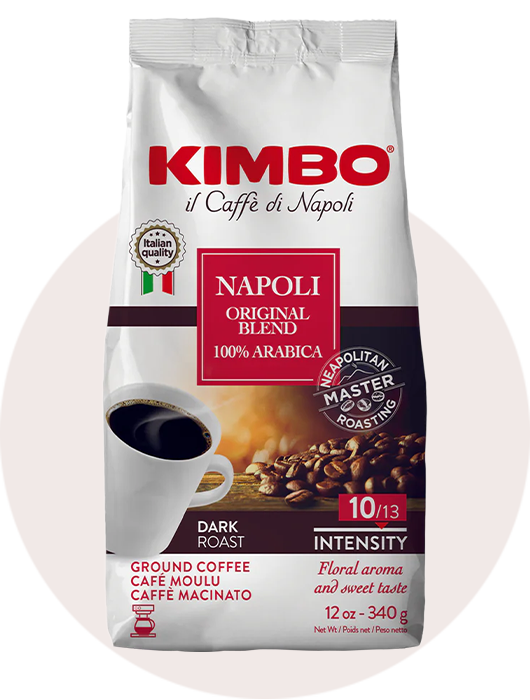
Our blends range from 100% Arabica options like Aroma Gold, for those who prefer a smoother and lighter cup, to Arabica-Robusta blends like Espresso Napoli, for those who want the full weight of the Neapolitan tradition in their cup. We offer both because we believe in giving you the choice — not telling you one is superior to the other.
But if you ask us what we drink? It's the blend. Every time.
Frequently Asked Questions
What is the difference between Arabica and Robusta coffee beans?
Arabica and Robusta are two separate species of the coffee plant. Arabica (Coffea arabica) contains more sugars (6–9%) and lipids (15–17%), producing sweeter, more aromatic coffee with lighter body and brighter acidity. Robusta (Coffea canephora) contains nearly double the caffeine (2.2–2.7% vs. 1.2–1.5%), fewer sugars, and fewer lipids, producing a bolder, fuller-bodied cup with thicker espresso crema and lower acidity.
Why do Italian espresso blends include Robusta?
Traditional Italian espresso — especially in Southern Italy and Naples — includes Robusta because it produces a thick, persistent crema, adds body and structure to the shot, and delivers a stronger caffeine kick. Robusta also creates the lingering finish that characterizes classic Neapolitan espresso. The Arabica component provides sweetness, aroma, and complexity, while the Robusta provides the backbone.
Is 100% Arabica coffee better than a blend?
Not necessarily. "100% Arabica" indicates the species of bean, not the quality of the coffee. A well-crafted Arabica-Robusta blend can outperform a mediocre single-origin Arabica in body, crema, and overall espresso quality. The key factor is the quality of the beans and the skill of the roaster, not the species label on the bag.
How much Robusta is in Kimbo coffee?
It varies by blend. Our Espresso Napoletano uses an 80% Arabica and 20% Robusta ratio, which reflects the traditional Neapolitan blending style. Our Aroma Gold is 100% Arabica for those who prefer a smoother, lighter profile. Each blend is designed for a specific taste experience.
Does Robusta coffee have more caffeine than Arabica?
Yes. Robusta beans contain approximately 2.2–2.7% caffeine by dry weight, compared to Arabica's 1.2–1.5%. This means a Robusta-containing espresso blend will deliver more caffeine per serving than a 100% Arabica blend, assuming the same dose and extraction.
What does Robusta taste like in espresso?
High-quality Robusta, properly roasted, contributes notes of dark chocolate, toasted malt, earthy depth, and smoky caramel to espresso. It adds a heavier body and a persistent finish. Poorly processed or over-roasted Robusta can taste harsh and rubbery, which is why roasting expertise matters as much as bean selection.
Why is Neapolitan coffee different from other Italian coffee?
Neapolitan coffee uses a darker roast profile than most other Italian regions, a higher Robusta percentage in the blend, and a slightly larger dose per cup (approximately 8 grams vs. the standard 7 grams). This creates espresso with a thicker crema, fuller body, lower acidity, and a longer-lasting aftertaste. The style reflects Naples' historical preference for rich, intense flavors, rooted in the city's earlier devotion to chocolate.
What is the best Kimbo coffee for traditional Neapolitan espresso?
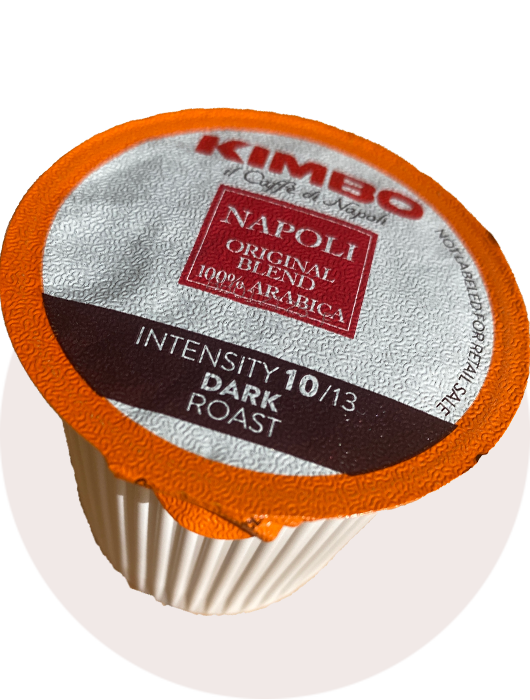
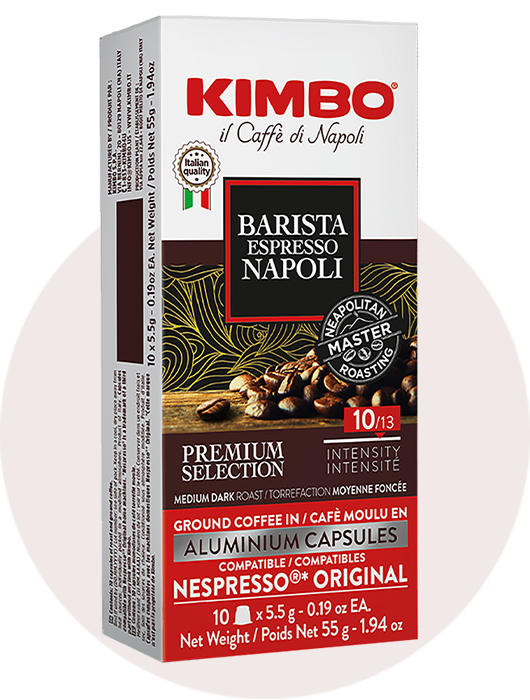
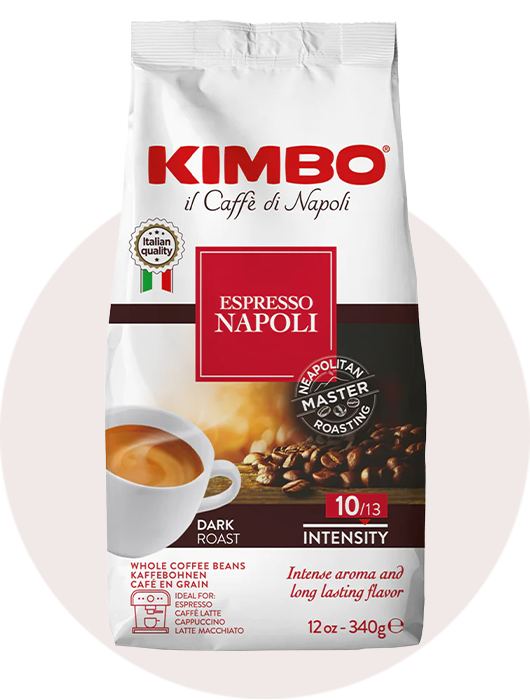
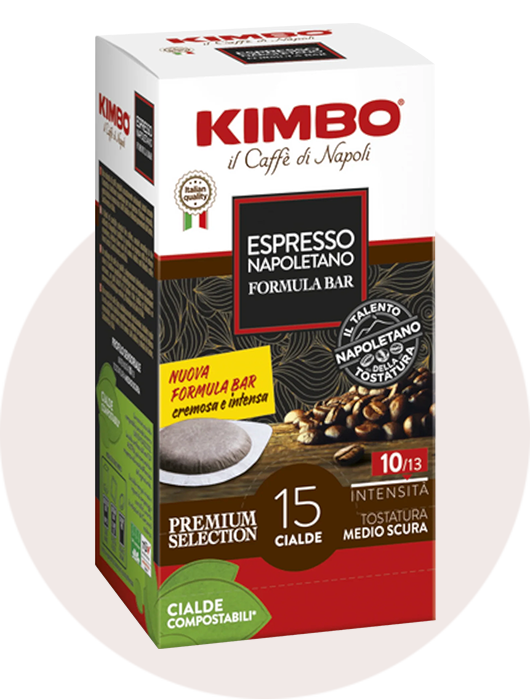
Our Espresso Napoli blend — available in ground coffee, aluminum capsules, K-Cups, and compostable pods — is the closest to what you'd drink at a coffee bar in Naples. It's a medium dark to dark roast Arabica-Robusta blend with an intensity of 10 out of 13, featuring notes of baked biscuits, vanilla, and dried fruit with a full body and thick crema.


